
By: Manuel Avalos Mateos

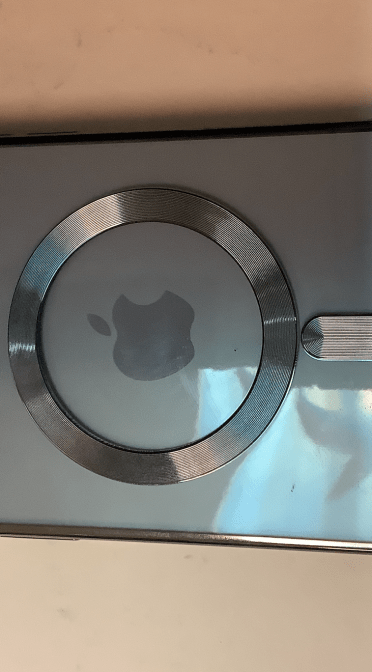
A small device in your pocket that can do almost anything and everything you want it to. A smartphone.
A quick Google search will let you know that the first smartphone was released in 1992 by a company that goes by the name of IBM. It was called the Simon Personal Communicator and was the first to feature a touch screen.
The modern smartphone as we know it today can come in many different sizes and phones are one of the most powerful portable devices today. There are nearly 7 billion smartphone users in the world, a major change from just over 1 billion (estimated) in 2010.
According to FourWeekMBA, Apple and Samsung are amongst the top smartphone brands and are the most popular picks in the United States. In 2021 Samsung generated $244 billion in revenue and Apple at $365 billion.
Over the years, smartphones have become cheaper and therefore more available to those of lower income. Around 95% of adults 18-49 own a smartphone and 61% for those over 65.
Smartphones have become an essential part of our daily lives. Smartphones have changed the way we live and the way we connect with the world around us. Phones have evolved quickly and have made big advancements over the years.
The 2 main mobile operating systems are iOS and Android. As prices for phones became much more accessible, phones became more obtainable and reached more new users. The ability to reach into your pocket and easily send an email, a text, play games, watch movies, read books, listen to music, interact with other via social media, and make online purchases on websites like Amazon is simply a masterpiece.
Looking into the future of phones seems assured for continued innovation. New technologies like augmented reality, and AI are expected to change the next phase of development of the smartphone.
For more information, please visit:


 Plaid Line + PRIZM + Scottie News