
By: Jefferson Palma

*Note: This article contains the thoughts and opinions of the author and should not be used in place of medical advice
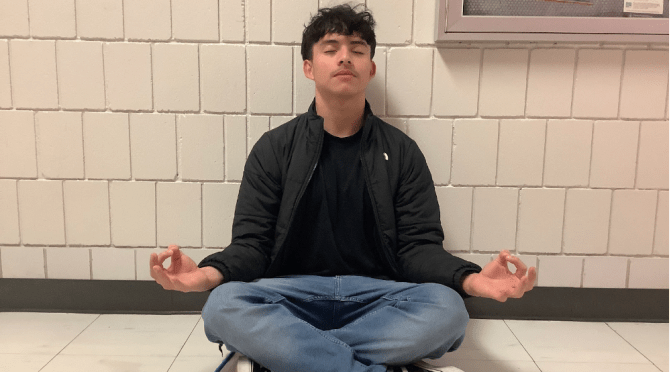
Meditating is a quick way to reduce stress on a busy day or when you’re tense, worried, and anxious. It’s a reset button on your mind and it could improve your day using such a little amount of time.
It doesn’t need any specific equipment or anything at all, and you can do it basically anywhere: in the bus, in a train, or when you’re in class and the teacher is late. It’s simple, quick, and effective.
Meditation is a complementary medicine that can relieve the mind and help it be relaxed at a deeper level. It could alleviate symptoms from specific medical conditions especially the ones that could worsen from stress.
Some researchers argue that there’s no conclusion to draw about the health benefits, but there’s some scientific evidence that supports the health benefits of meditating.
There are endless types of meditations that you could try but I’ll provide 3 examples to start off.
Yoga is a common practice used for thousands of years. It involves physical movement, breathing exercises, and concentration to calm the mind and body. It can build up flexibility, strength, endurance, and physical well-being.
Another good one is mindfulness meditation. Mindfulness meditation flourishes your natural curiosity about the work of your brain. It helps reduce all the running thoughts crammed into your brain by approaching your moments as momentous and being more mindful by living in the present.
Mantra meditation will be the last example. Mantra meditation is when you repeat a word or a phrase repetitively in your head. Although it requires more focus, it can reduce wandering thoughts and increase more focus.
The earliest documents of meditation can go as far back as 1500 BC in India. It is a practice that ancient people and modern people have been using. There are a variety of mediation techniques that you can find best for yourself and endless ways of exploring it.
 Plaid Line + PRIZM + Scottie News